Get Started with Data Analytics

Mohamad's interest is in Programming (Mobile, Web, Database and Machine Learning). He is studying at the Center For Artificial Intelligence Technology (CAIT), Universiti Kebangsaan Malaysia (UKM).

Data is one of the most strategic assets in any organization, but its true value lies in how it is analyzed and used to drive action. Data analysts play a crucial role by transforming raw data into meaningful insights through preparation, modeling, visualization, and analysis.
Key Concepts
Data storytelling: Turning complex datasets into clear narratives that help leaders make timely, informed decisions.
Data analysis process: Involves cleaning, transforming, modeling, and visualizing data to uncover patterns, trends, and actionable insights.
Types of analytics:
Descriptive: What happened?
Diagnostic: Why did it happen?
Predictive: What will happen?
Prescriptive: What should be done?
AI-driven: Automating insights and pattern recognition.
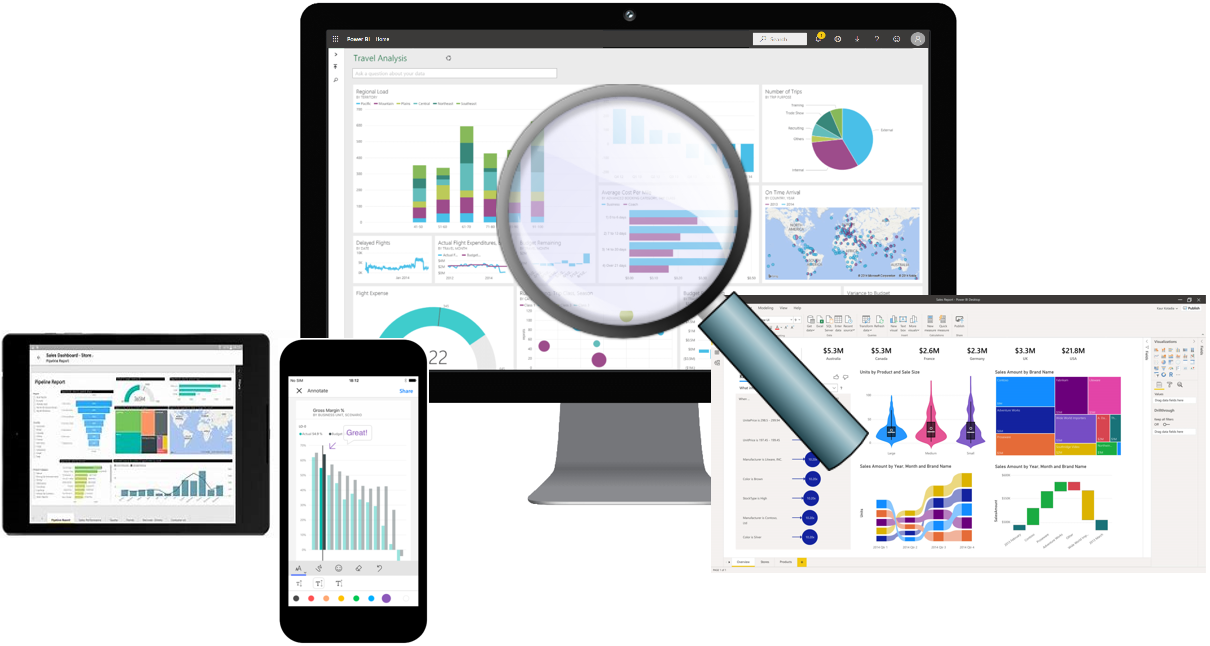
Roles in Data
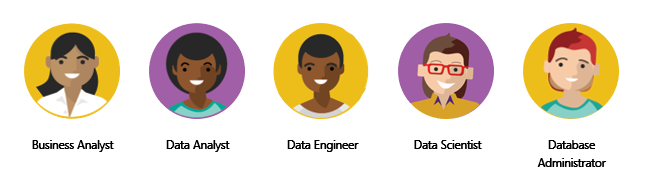
Business Analyst: Focuses on business interpretation of data.
Data Analyst: Cleans, models, and visualizes data, often with tools like Power BI.
Data Engineer: Builds and maintains data pipelines and platforms.
Analytics Engineer: Bridges engineering and analytics, ensuring data is ready for reporting.
Data Scientist: Performs advanced analytics, machine learning, and predictive modeling.
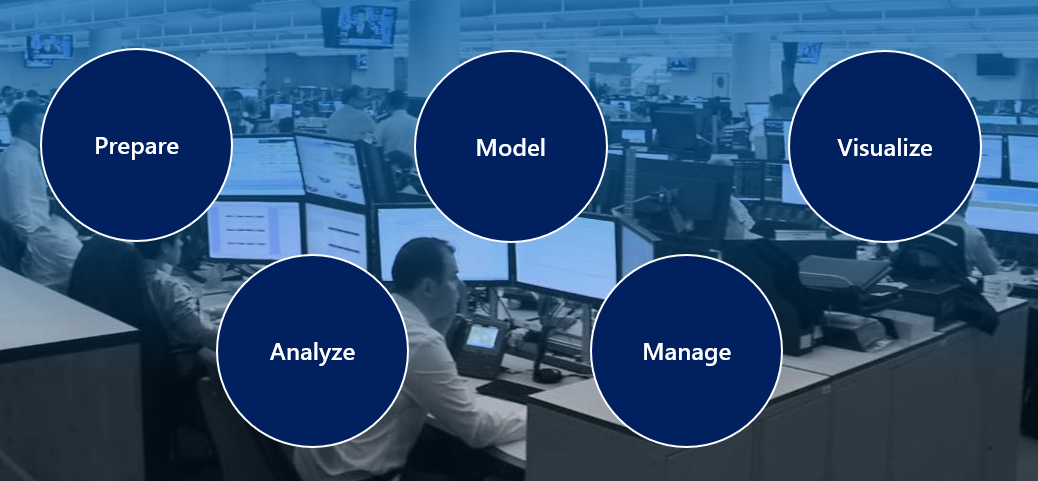
Core Tasks of a Data Analyst
Prepare – Clean and transform data for accuracy and trust.
Model – Define relationships and metrics to create semantic models.
Visualize – Build clear, insightful reports that tell the data story.
Analyze – Identify patterns, trends, and predictions using analytics and AI tools.
Manage – Oversee Power BI assets, ensuring security, accessibility, and collaboration.
Conclusion
Data analysis empowers organizations to move from data overload to data-driven decision-making. By collaborating with other data professionals and fostering a data culture, analysts help organizations uncover hidden value, gain competitive advantage, and build trust in business decisions.